WOODEN FURNITURE & HOME
WOOD CENTER · WOODEN FURNITURE & HOME
Bring wood tones, textures and everyday rooms together.
Wood can bring warmth and texture to a room without every piece matching. The goal is a space that feels considered and comfortable to you. Start by looking at the wood you already have, including floors, doors, furniture and shelving.
Notice the room’s existing palette
View the materials together in the room’s daylight and evening lighting. A finish can look different beside a wall colour, textile or another timber. If you are buying something new, bring a physical sample home where possible rather than relying on a screen photograph.
Use repetition to connect different pieces
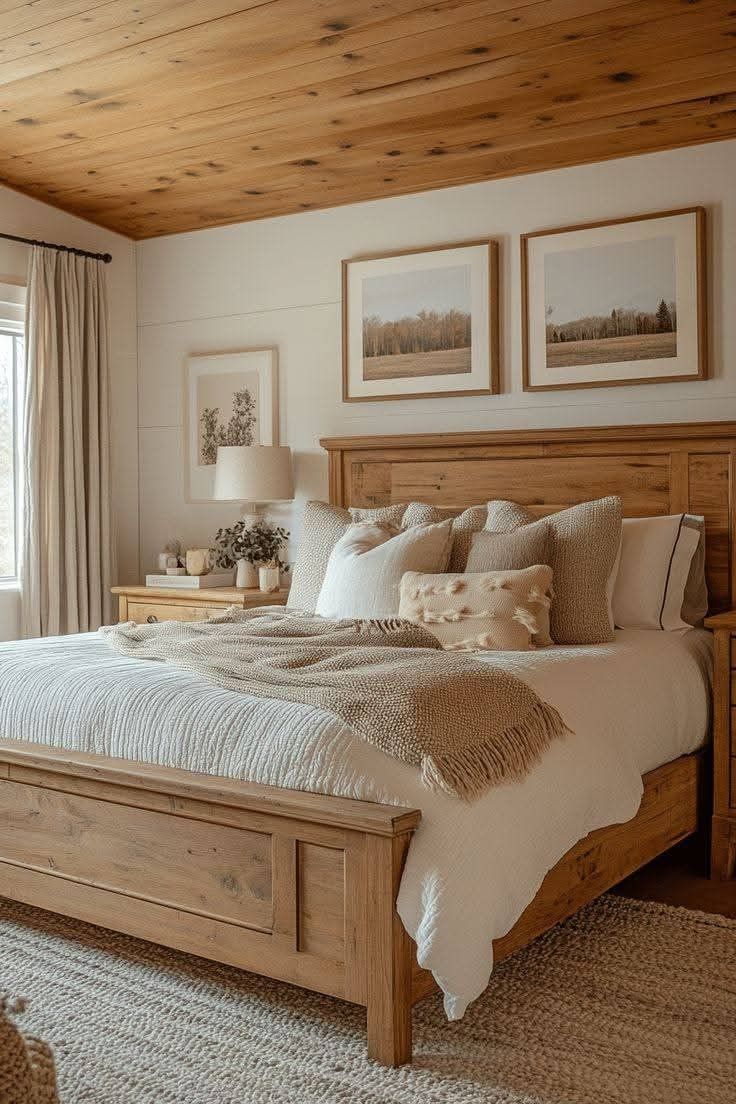
You can repeat a wood tone through a frame, a small table or shelving, while letting another piece provide contrast. Repetition is a design option, not a requirement to buy a matching furniture set. Work with the pieces you like and compare the overall balance.
Give wood room to be seen
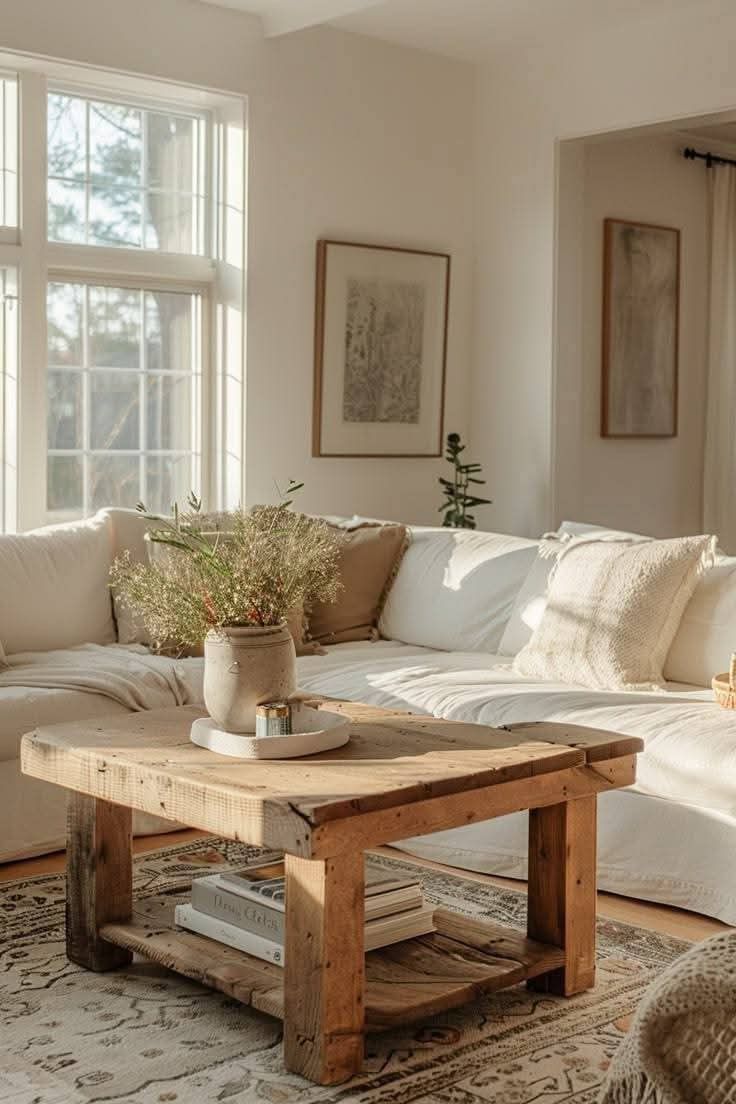
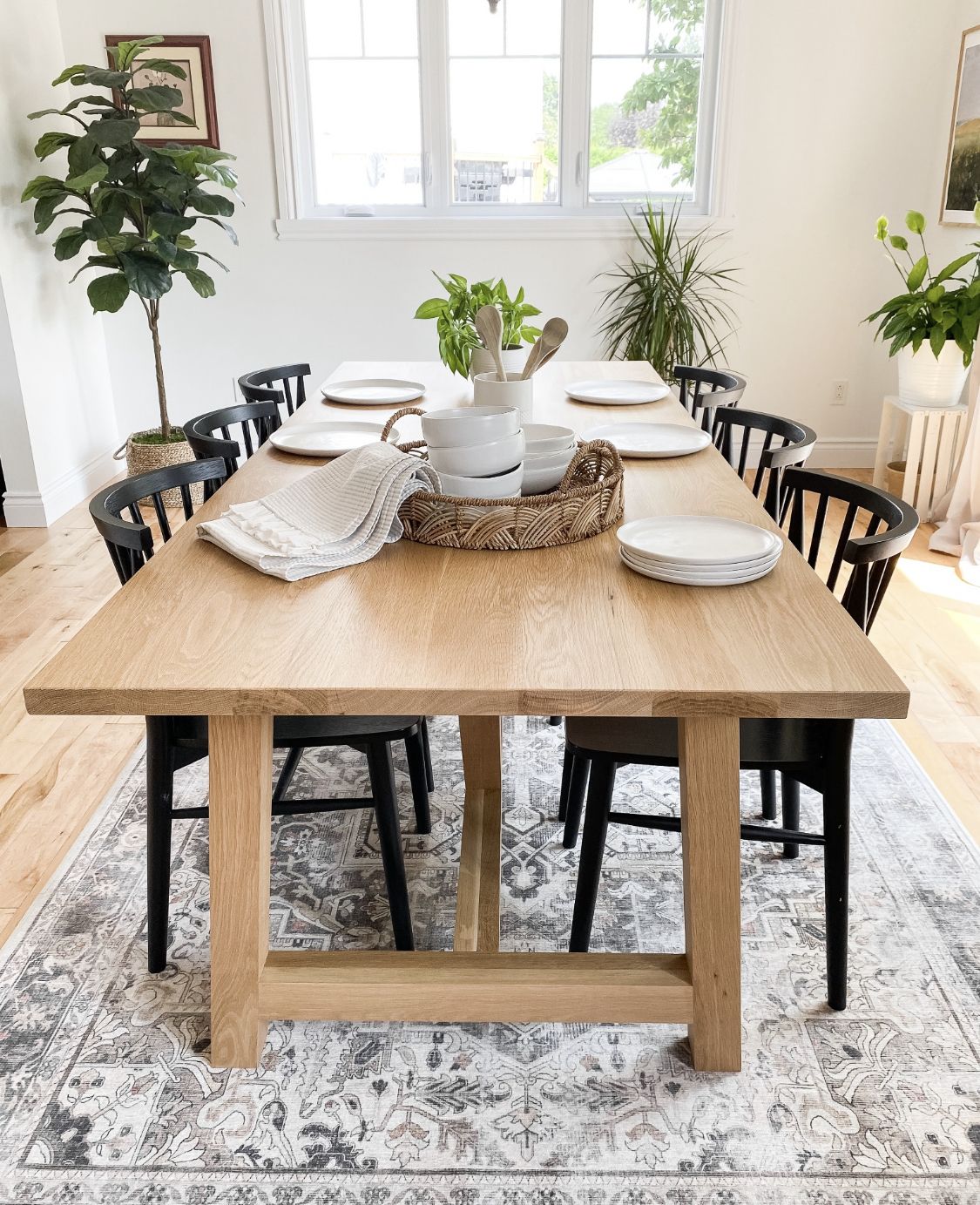
A rug can create separation between a wooden table and a wooden floor. Upholstery, curtains and ceramics introduce other textures so the room is not defined entirely by similar grain. Leave useful surface space rather than filling every tabletop with decoration.
Style around daily use
On a coffee table, keep a clear place for the items you actually use. A tray can group a few objects and make them easier to move, but choose a size that leaves the table practical. Near dining surfaces, think about cleaning and the product’s intended use as well as appearance.
Make one change at a time
Photograph your room, move an existing piece and compare the result before buying more. Small changes make it easier to see whether the problem is colour, scale, placement or simply too many objects.
A small project for your home
Plan a wooden serving tray with handles as a useful small project for an everyday surface.