WOODEN FURNITURE & HOME
WOOD CENTER · WOODEN FURNITURE & HOME
Choose wooden furniture that fits the way you live.
Wooden furniture should work for your room before it works for a photograph. Start with what happens in the space: eating, working, relaxing, storing everyday objects or moving between rooms. Then consider the size, construction and finish of the piece.
Measure the room and the route
Record the available floor area, nearby doors and the paths you use every day. Mark a proposed furniture footprint with removable tape or paper before buying. Check the delivery route too, including stairs, door openings and turns.
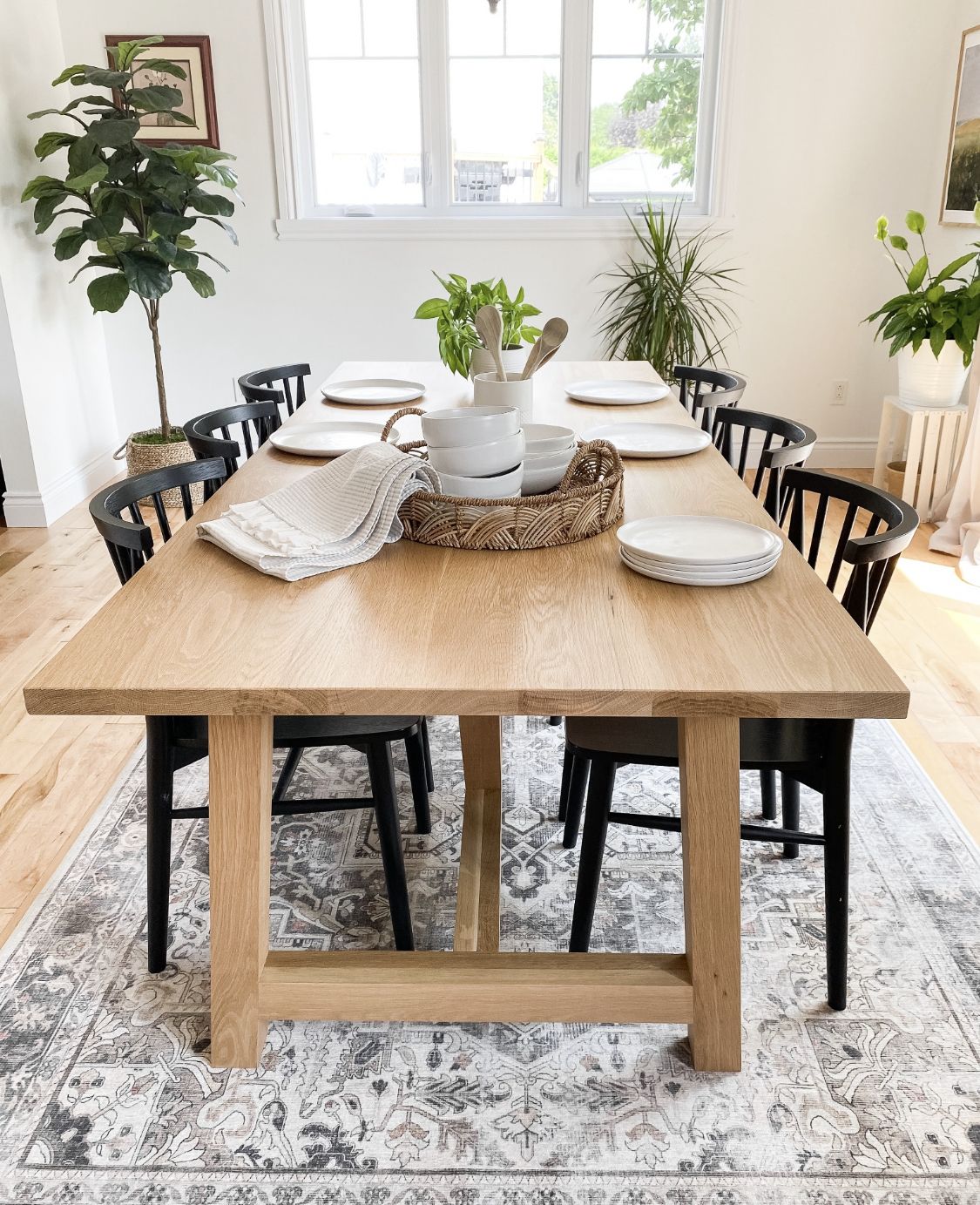
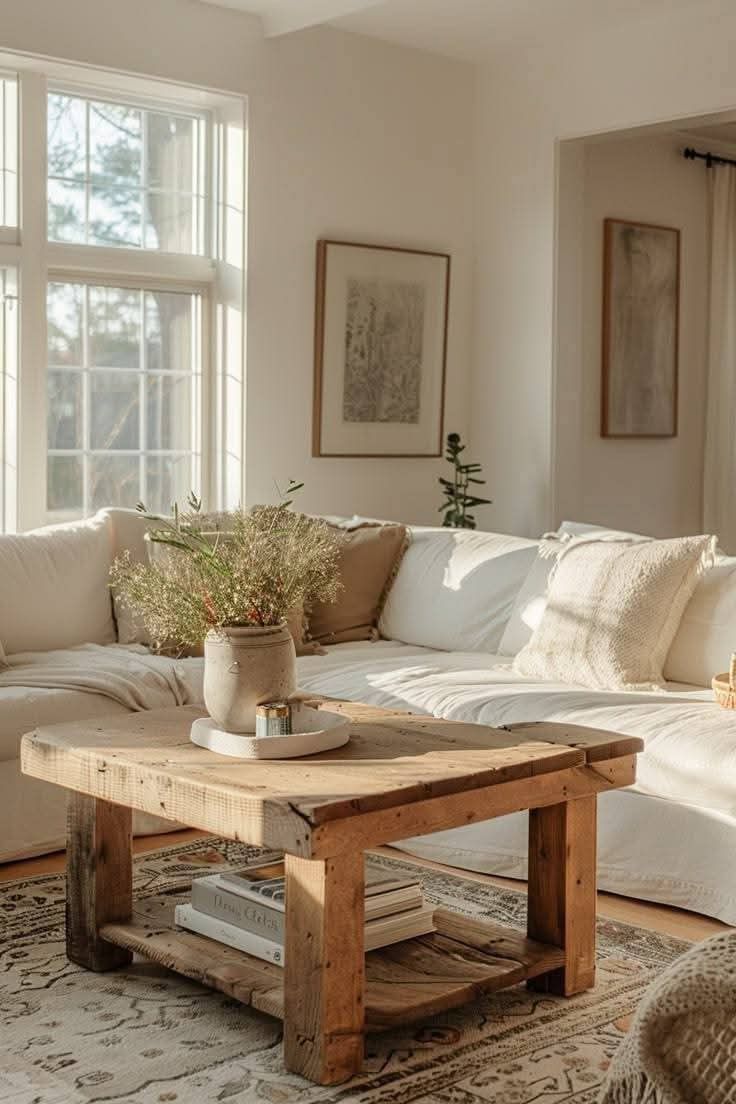
A coffee table needs to be reachable from the seating without making the route through the room awkward. A dining table needs space for occupied chairs, not just enough space to fit its top. Try these movements in your own room instead of treating one measurement as a universal rule.
For patio dining, the outdoor wood dining table guide works through seating space, chair movement and the route around an occupied table.
Read beyond the wood colour
Look for the actual construction: solid timber, veneer over a core, engineered board or a mixture. These descriptions affect care and repair options. A wood-look photograph cannot establish the construction, and solid wood is not automatically the best choice for every budget or application.
Consider the whole piece
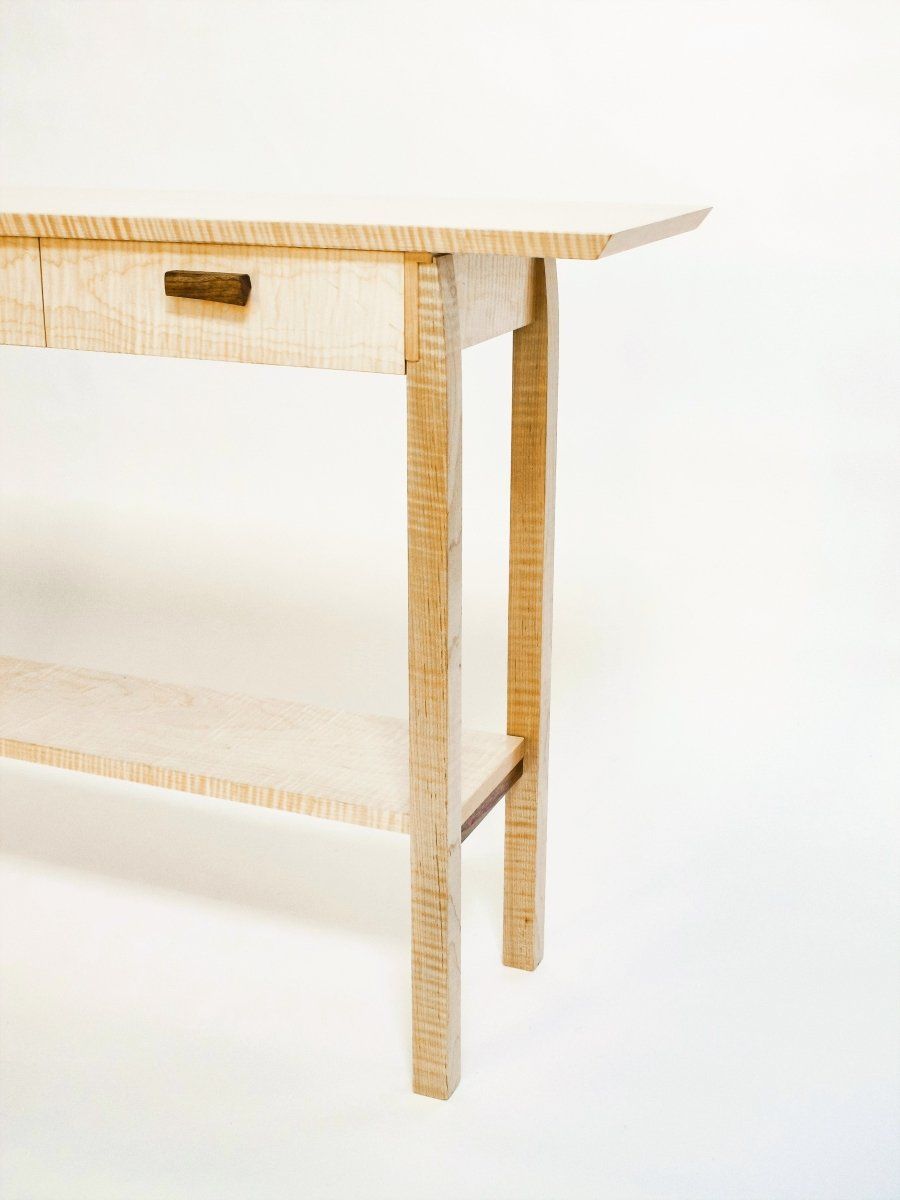
Check drawer access, door swing, shelf supports, hardware and the manufacturer’s care guidance. For freestanding storage, follow the supplied anchoring instructions and consider the wall and hardware involved. A decorative finish and a useful layout matter as much as a species name.
Start with the pieces you already own
Before replacing furniture, try a different position and remove objects that block access. A change of layout, a lamp or a rug may solve a problem that first looked like a shopping decision.